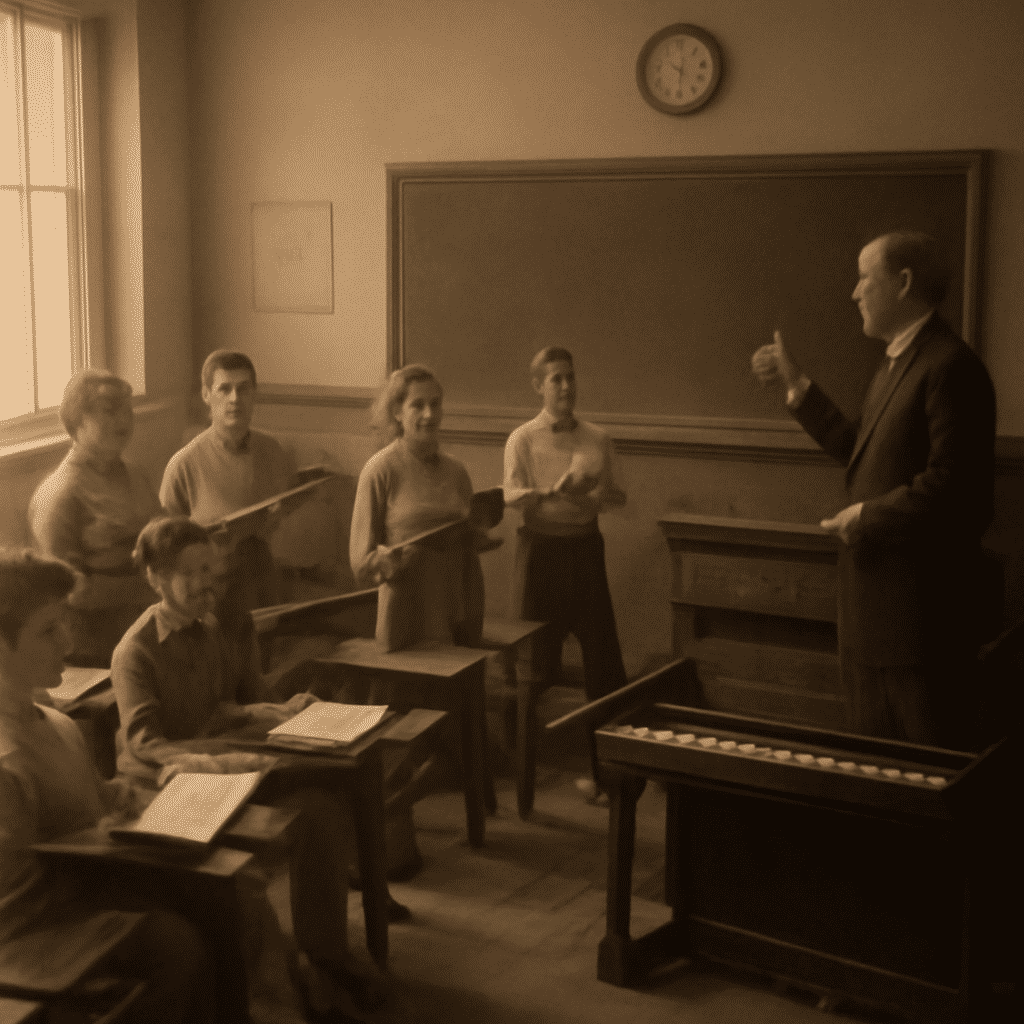
Vocal training has a rich history that traverses centuries, cultures, and musical styles. From its initial roots in ritualistic chants and classical art forms to contemporary, genre-spanning techniques, the evolution of vocal training offers insight into how singers have perfected their craft across generations. By examining key methodologies and technological advancements, we can appreciate how they have shaped the way vocalists train today.
In the earliest days, vocal training was largely informal. Ancient civilizations like the Greeks and Chinese used singing as part of their spiritual and cultural practices, often relying on oral tradition to pass down songs and techniques. The lack of written instructions meant that much of what was learned depended on imitation and memorization.
The advent of the Western classical music tradition brought about more systematic methods of vocal training. During the Renaissance, choral music thrived, and choirs required structured training to perform complex polyphonic pieces. The bel canto style emerged in the Italian opera scene during the late 16th to early 19th centuries, focusing on beautiful tone, agile vocal lines, and expression. This approach emphasized breath control, vocal resonance, and purity of sound, setting a foundation for future classical vocal techniques.
By the Romantics' era in the 19th century, vocal training had become highly specialized. Music conservatories and opera houses modeled their teaching approaches after legendary singers of the time, such as Enrico Caruso and Adelina Patti. The use of extensive vocal exercises and scales became standard, and singers were trained rigorously to perform demanding repertoires.
Moving into the 20th century, breakthroughs in recording technology and the invention of the microphone necessitated changes in vocal technique. Singers had to adapt from projecting their voices in acoustically live performance spaces to singing for recordings and broadcast media, where subtler nuances became crucial. This transition sparked more contemporary techniques, emphasizing the importance of dynamics, pitch, and precise enunciation.
Modern advancements continue to influence vocal training. Contemporary pop, jazz, and musical theatre require versatility in singers, pushing vocal instructors to incorporate a wide array of techniques. Voice science, which includes the study of anatomy, physiology, and acoustics, has taken a central role. Tools such as spectrograms and real-time biofeedback provide insights into a singer’s performance, helping to refine techniques by visually identifying areas of improvement.
Moreover, the inclusivity of diverse genres, from gospel to rock, has broadened vocal training's scope, encouraging singers to develop a unique voice suited to multiple styles. Online platforms and digital resources also democratize access to training, allowing aspiring vocalists worldwide to learn from renowned instructors.
Additionally, the focus on holistic vocal health has significantly influenced current methods. Modern vocal training often integrates understanding nutrition, psychology, and physical exercise to ensure longevity in a singer's career. Hydration, vocal rest, and proper technique are key elements emphasized to prevent injury and maintain vocal wellness.
In conclusion, the evolution of vocal training is a testament to human creativity and adaptation. From traditional imitation to scientific precision and digital learning, singers today have access to a world of knowledge that continues to grow. Understanding this evolution not only enriches our appreciation for the art of singing but also prepares future generations to innovate and surpass the limits of vocal performance.